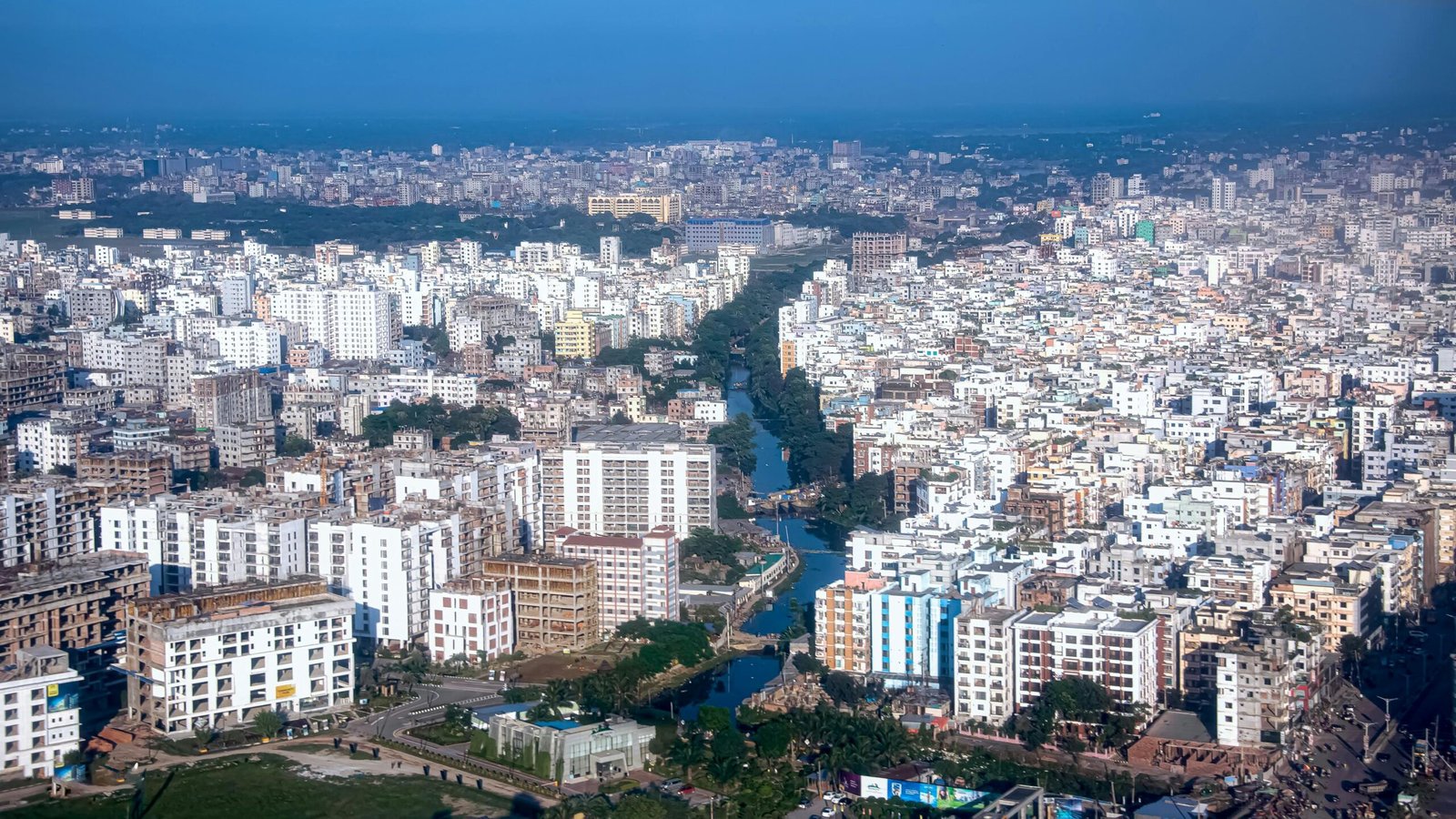
Dhaka: The Elusive City at the Heart of Bangladesh
Dhaka isn’t a city; it’s an experience. It’s a land of stunning juxtapositions, where age-old customs meet the frenetic beat of the contemporary world. The first thing that strikes you about East Asia’s must-visit city,you will probably visit some other time, you were supposed to be over there but lemme tell ya whaddup. Dangalad, I can’t even write a simple definition.‐ pronunciation please can’t find it anywhere Nothing.
A City Steeped in History
Dhaka’s narrative starts more than a millennium ago, but its golden era came in the 17th century under Mughal domination. As “Jahangirnagar,” it was a world center for muslin, the fabric so fine that its reputation extended throughout Europe and Asia. That grandeur is still felt in the city’s historic heart, Old Dhaka.
Key Historical Landmarks:
Lalbagh Fort An incomplete 17th-century Mughal fort complex, the red stone walls of Lalbagh enclose a mosque and the tomb of Pari Bibi, its myth-laden setting for both romance and tragedy.
Ahsan Manzil (The Pink Palace) A once love nest of the Nawabs of Dhaka, has been representative of the city’s architectural grandeur during the British colonial period.
Armenian Church: A reminder of the city’s former commercial vigor and strong Armenian merchant presence, this peaceful church from the mid-18th century is an incongruously tranquil in amidst nearby mayhem.
Star Mosque (Tara Masjid): 19th-century mosque with beautiful blue star embellishment mosaics and tiles made of China clay, representing fine Islamic art.
The Pulse of Modern Bangladesh
Dhaka is the political, economic and cultural heart of Bangladesh and beyond. It is a fantastically high-energy, ambitious town.
Economic Hub: The city has a huge market that is responsible for the national GDP. Its best-known export is the Ready-Made Garment (RMG) sector the country has become famous for, but Dhaka is also home to pharmaceuticals, IT, shipbuilding and finance. Its teeming markets like the wholesale mayhem of Kawran Bazar and more upscale Bashundhara City shopping mall display its mercantile hustle.
Culture and heritage: Dhaka is the centre for entire Bengali culture. The Bangla Academy holds the Ekushey Boimela for the whole month of February each year in celebration of books. Its art scene flourishes in galleries such as the Bangladesh Shilpakala Academy, and its theater productions are celebrated. Music From soulful strains of Rabindra Sangeet to contemporary Bangla rock, music is everywhere.
The Challenge of Contrasts
The speedy, often haphazard pace of growth in Dhaka has produced a city with stark contrasts. It is it’s defining and sometimes toughest feature.
Traffic and Congestion: The city’s legendary traffic mess isn’t just a hassle — it permeates daily life. The nonstop symphony of car horns, rickshaw bells and bus conductors hollering out their routes is the soundtrack to the city.
The River Buriganga: The city’s lifeline, the Buriganga is vibrant with activity. Still, it is also a sharp symbol of environmental problems, heavily polluted. Yet the river ports hum with hundreds of awaiting country boats, ferries and cargo vessels that represent the continued economic lifeline for millions.
Population Density: With an anticipated population of 21.5 million people, Dhaka is a sea of humanity. This amount of density puts enormous strain on housing, sanitation, and public services but it has also developed a distinctive community-spirit and an attitude to Rona that is inspiring.
Experiencing the Soul of Dhaka
To love Dhaka is to love its chaos and uncover its secret delights.
Ride a Rickshaw: With an estimated 400,000 cycle rickshaws in Dhaka, no two are alike — they’re all moving works of art that sport hand-painted scenes from Bollywood, rural life and fantasy. A drive through the winding streets of Old Dhaka is one experience you can’t miss.
Enjoy the Cuisine: Dhaka is heaven for adventurous eaters. Don’t miss:
Haji Biriyani: An iconic Old Dhaka destination for an aromatic singular biryani.
Street Food: The street food, from fuchka (pani puri) And chotpoti to jhalmuri are bold and spicy and tasty.
Bangladeshi Sweets: Try the mishti doi (sweet yogurt), roshogolla and shondesh.
Explore Sadarghat: The principal riverine port across the much-polluted Buriganga. A sensory assault, this frenetic and visceral testament to what people can do in the city that never sleeps is the most true representation of its spirit.
Looking to the Future
Dhaka is a city strangely full of promise, despite its difficulties. Dhaka Metro Rail and Padma Bridge are massive projects that have been initiated to free the city from traffic congestion and enhance national connectivity. A burgeoning tech startup culture and young, connected population are fuelling a fresh wave of invention and optimism.
Conclusion
Dhaka is not an easy city. It will make your head hurt, try your patience and exhaust you. But for those willing to see beyond the easy stereotype, it has an enormous warmth and soulfulness and a cultural richness that is so satisfying. It is a city that pulsates; it has its good and its bad but all in an exaggerated form, when ebb and flow are amplified to such levels of extravagance. Dhaka, with all its mad beautiful messy discordance, is the undeniable unstoppable heart of Bangladesh.

