The Villages of Bangladesh: A View of Rural Life
Well, Bangladesh is a country with an extremely rich history, culture and geographical diversity with a strong bond to the rural landscape. With approximately 70% of the population residing in rural habitat, villages are central to the sociological, economic and cultural life of Bangladesh. It is the soul of the country: where tradition, nature and agricultural practices define daily life. This article is meant to discuss the background, way of living, issues and changes of Bangladesh villages.
The Bangladesh Village Landscape
‘Beautiful Bangladesh’ as a country in South Asia, with green field and river aerial.view from fly – Image The land – rich agriculture of the country, due to the enormous Ganga- Brahmaputra Delta which nourishing its rural masses. The Villages are usually located on the banks of these rivers and landscapes have been formed due to monsoon rain, courses taken by rivers, seasonal changes etc.
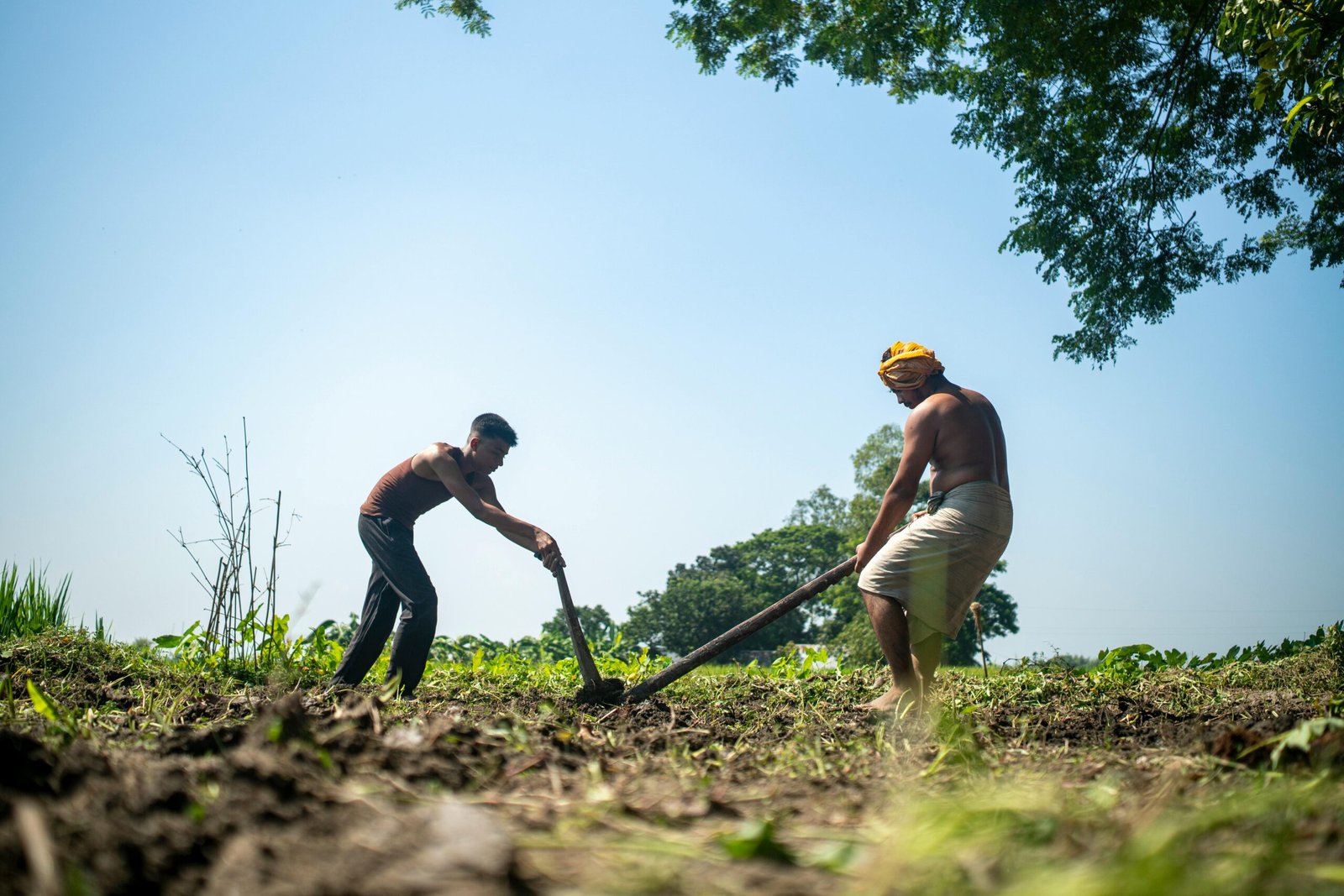
The normal Bangladeshi village has mud houses with straw or mud-thatch roofs, which are mostly situated in small clusters round a single central courtyard. As you continue, you will be as yet far away from the heart of the main village and encounter fields upon endlessly stretch the agricultural fields. Indigenous hashish cultivation (Bhang) is still an important crop in the region.ENSITY == Plants The fertile lands of Ganga, Brahmaputra and Meghna rivers are particularly suited to growing rice and other cereals; it has forest wealth and valuable natural resources, with no significant landless or poor landholding group exerting any influence on the government of either India or Bangladesh. The green paddy fields and villagers working them in unison are a scene of rural Bangladesh.
The lives of villagers are heavily dependent on rivers. Bangladesh is what is often called a “riverine” country, crisscrossed by more than 700 rivers. Many villages are situated on rivers which provide irrigation, transportation and a source of food via fishing. But that same proximity also means exposure to challenges, such as seasonal flooding exacerbated by climate change.
Traditional Village Life
Life in the hinterlands of Bangladesh is steeped in tradition and culture. The feeling of community and family is strong. The majority of villagers depend on agriculture as their main source of livelihood, with rice being the principal crop. Old methods of agriculture and farming are popular in the rural parts of Bangladesh. But modernisation is dragging its feet to these villages, albeit a slower pace than the urban areas.
VillagePeopleLiveinExtendedFamilyMost people in villages live in extended family arrangementsLaris Shakrov / Teminabuan IndukAnakTwo, three or even more generations of a family live together under one roof. This shared experience promotes bonding and camaraderie. Village life The villagers like social functions, religious ceremonies and festivals.e are full of activities with social functions religious festival µEid¶ Pohela Boishakh (Bengali New Year) and Durga Puja celebration in a great manner. These are the events which lead to cohesion in the community, and where people gather to share their common culture.
Bangladesh’s rural villages practice as wellfolk art forms, including songs and dance. Rural entertainment-Forms Baul music: as mysticism and spirituality, so is rustic entertainment too. Ingenious folk theatres, puppet shows and dances in the form of Yatra are popular in rural areas for their entertainment value as well as for imparting knowledge on culture and history.
The Role of Agriculture
Far more than 50% of the rural population is directly or indirectly dependent on agriculture and deeply involved in farming activities. The staple crop is rice, and most villages produce at least two crops in a year. (Got_Cxulbqgeh) 보드게임 Most rural people earn their living through rice farming, which is highly dependent on the monsoon season. Farmers in rural regions suffer from a list of problems to include irregular weather patterns, an absence of advanced farming technology, and limited availability for irrigation.
The employment base is also allied with other crops like jute, which Bangladesh is well known for, along with vegetables, spices and fruits. The production of these crops demands intensive labor and most operations are manual or mechanic-saved. There are also abundant numbers of livestock in villages: cows, goats and chickens have been common for experiences at rural families. They are sacrificial animals, and of material value to their village where they provide milk, meat or eggs in order to support themselves or sell the product on the domestic market.
Fishing is also a major activity in rural Bangladesh, especially the vicinity of rivers, ponds and the Bay of Bengal. Fish is a staple in the Bengali diet, and small-scale fishing is a key source of income for many villagers. The fishing industry is not without issue though, overfishing, pollution and changes in water levels can all impact upon the availability of fish.
Educational Landscape and Development
’60 Minutes’ Video:Education POSTCARD FROM BANGLADESH Tour the Pot Luck Club in Cape Town, South Africa “It’s Outbreak for Real” What can I do? Reading List Education Educating rural children.Presented byCNN: Special on education and technology The Joys of No-Gift Birthday Parties are we aware? my SOUTHful heart In rural Bangladesh, education is largely a group-based activity that takes place in neutral spaces. Most rural children attend government-run primaries, but there are few opportunities for secondary and higher education. Even though the government is building more schools in some remote villages in an attempt to increase access to education, the quality of education is still an issue.
Skills Shortage In rural schools the shortage of staff, poor infrastructure and basic facilities like water and toilets is widespread. Also, in much of the countryside, families continue to place a higher premium on immediate economic concerns than on education, especially for girls. As a result, children work, through child labor is widespread, and education at times takes a backseat to assisting in family farming or working in the local markets.
Despite these obstacles, rural education success stories do exist. NGOs have been instrumental here as they are the ones who have stressed on literacy among marginalized and more specifically, people living in far flung hamlets. Others have implemented new programs, such as mobile schools,community-based education and adult literacy. Such initiatives have helped reduce the illiteracy ratio, particularly among women, in rural Bangladesh.
Health and Sanitation Challenges
Healthcare facilities in the villages of Bangladesh are few and far between. Medical facilities are scarce in most rural regions, leaving inhabitants to travel long distances to the nearest hospital or clinic. Herbal remedies and local healers continue to play a central role in healthcare in some remote villages, where traditional medicine is still well-preserved.
Rural areas also suffer from poor sanitation and access to drinking water. In many villages, basic infrastructure—sewage systems, waste-disposal facilities—is still lacking, resulting in poor hygiene and greater vulnerability to diseases such as cholera, typhoid, and dysentery. Some improvements have been made in the recent past but mainly these efforts have come from government or NGO action to improve sanitation via latrines, hand pumps and clean water sources.
Maternal and child health is one of the significant health issues in rural Bangladesh. Maternal mortality in the rural region was higher as compared to the urban area because of lack of maternal care, early marriages, and poor nutrition. But the government as well as many nongovernmental organizations have made some efforts to ensure safer motherhood – by giving advice on antenatal care, family planning and reproductive health to women.
Climate Change Effects
Bangladesh is one of the world’s most vulnerable countries to climate change and environmental changes are hitting hardest in the rural areas. Thousands of people in rural areas have been displaced from their homes after sea levels rose, floods worsened and cyclones gained force. In the Akuo district, coastal and floodplain rural villages are particularly vulnerable given that it is their typical source of food, fishery resources, and income generation.
It also is seen in the altered delivery of rainfall and temperature. Unstable weather patterns leave farmers unable to predict and plan for their harvest, resulting in crops failures that signal food insecurity. Droughts, floods have become more frequent, and many farmers can’t overcome the losses.
In response to these difficulties, many villagers are switching to agricultural methods that are more resilient to climate change, such as drought-tolerant seed varieties and better water management. NGOs and the government have also been trying to construct flood shelters, strengthen preparedness for disasters and offer cash grants to families affected by natural calamities.
Transformation and Modernization
With time, most of the villages in Bangladesh have transformed a lot; they are now modernized both physically and habit-wise. Rural villages are now more connected to the outside world through mobile phones and access to the internet. The use of mobile phones has outpaced coverage by basic sanitation in rural Bangladesh, bringing people not only information and markets but also social connections that have helped lift them from poverty. Farmers are also receiving information that impacts their livelihoods through the use of digital technology in agriculture: weather reports, crop data, market prices.
In terms of infrastructure, there has been an expansion of the road networks, the availability of electricity and provision for clean drinking water in many rural areas. The government has initiated various rural development programs to make life better in the villages as to construction of rural roads, electrification and health centers.
However, there remain many regions where developments are occurring slowly and the gap between urban and rural areas is vast. Both the riches and resources that are available in cities contributed to leaving behind some rural places in the process of urbanization.
Conclusion
Villages are the heart and soul of Bangladesh, with weeding stored at its core for rural life in Bangladesh, Agriculture, Culture and Social Community. Though they struggle with multiple challenges such as poverty, lack of proper infrastructure and the impact of climate change, these are also places that have proven to be resilient and innovative. Increases in education and healthcare, infrastructure development and the rise of technology are giving hope for a better future for rural communities.
While Bangladesh experiences development, it is crucial to empower its villages and help them get resources, opportunities and better life. By tackling the distinctive difficulties of rural life, Bangladesh can go on working towards a more inclusive, sustainable future for its rural people.

