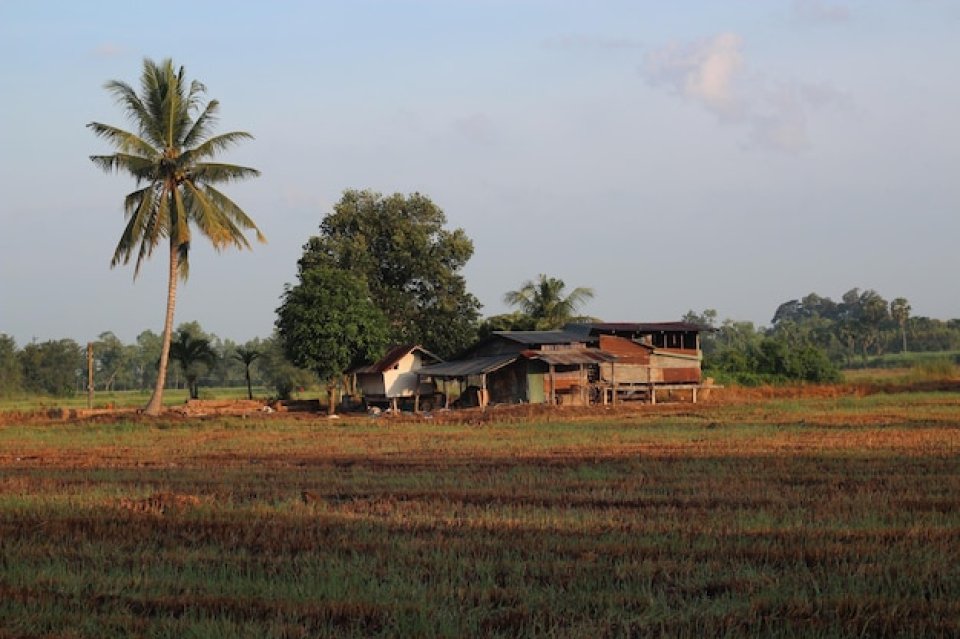
Village Life in Bangladesh: Tradition and Simplicity at Its Best
Village life in Bangladesh is a dynamic tapestry made up of ancient traditions, community spirit and a strong bond with the land. Stable, with 70% of the population in rural areas, life in the villages is essentially what India is. From the fertile green fields, to the lively festivals, from the slow-paced community life style to tradition and culture – it’s takes you to a different way of life -one that’s base firmly in its cultural heritage nature and family ties.
The Allure of Rural Bangladesh
The countryside in Bangladesh is absolutely stunning, limitless green paddy fields with water bodies and village huts scattered throughout the horizon. A true Bangladeshi village lies in the lap of rivers that are synonymous with its identity. These rivers are important for irrigation, transportation, and they even support fishing – yet another key component of the rural economy.
The structure in these village houses are unique. A majority of homes are constructed from bamboo or mud with thatched roofs or sheets of tin. Clusters of these homes are usually situated around a central courtyard which fosters a sense of community. The peace and quiet of the setting — a faint backdrop to river waves or bird chirps that punctuate the rhythms of a day at Oeko-Tex — are its allure. In the night, it is a symphony of children laughing, women cooking and old men chasing gossip as the village grows dark.
Agriculture: Life Blood of Village
For Bangladeshis who live in the village, life is almost inseparable from farming. More than 60% of the rural population relies on agriculture as their livelihood. It is rice that dominates, covering large swathes of land and turning a brilliant green for months when the monsoon comes. The villagers also grow jute and vegetables, fruits and sugarcane. The work of the village >>Peasant Farming -Northern Laos<< The activities of the farming are mostly according to seasons, un-mondified by any regular plan.
Farmers tend to work long hours, usually from morning till night. They plant with ancient tools like plows and sickles, but modern farming practices and machinery are slowly seeping into rural Bangladesh. Many such societies are however still reliant on manual labour and hard work is instilled in rural folk. The harvest is a communal even – people from other villages in the areas often gather to offer their labour. Not only does this lighten the physical load, but it also fosters a sense of community.
The rivers are also an important aspect of village life. The villagers depend on the rivers for irrigation, fishing and transportation. Traditional fishing, which includes the use of bamboo traps and small-boats, is also widely done in some areas. Fishing is also a major secondary income to many families.
Village Community and Social Life
Bangladeshi village life is atypical in that it’s very communal. Extended families often live together; Many are very closely connected with their relatives and neighbors. Social organization is generally patriarchal, with a high value placed on elders. Generations live together: In the typical house there are three to four generations and that helps in a close-knit family feeling.
Festivals, religious functions and social events are an integral part of the village life. Festivals Festivals such as Eid (for Muslims) and Durga Puja (for Hindus) are celebrated with same enthusiasm despite the variation in religion (Hinduism and Islam). The festivities are the occasions of pure bliss that bring families together to exchange gifts, savor festive food and perform rituals.
The village also has its own form of judicial party, the “Chakla”, which is formed by an unofficial group on aged-people from the community living there, who make decisions and help to solve conflicts in or name of the interest of the village. These assemblies are frequently conducted by the elders and peace is kept. These community bonds enable villagers to coexist, sustaining each other in life’s occasional ups and frequent downs.
The Women of Rural Bangladesh
rural Bangladeshi women are the backbone of the household and farm. Although most women still participate in domestic work and child-rearing, they also play a large role in agricultural activities. In the Bangladeshi villages, women frequently undertake plating, harvesting and processing of crops to market them in a nearby bazar.
At the same time, many women in rural areas participate in weaving, sewing, or making handicrafts and sell these items at weekly bazaars (markets). This has an effect on family income and is a way for women to achieve economic independence but in many cases they are prevented from participating fully in decision-making processes by societal norms.
But rural women are not complacent, and education and resource availability have made them less powerless than they used to be. Rural women in general have become more active, with the assistance of state-sponsored and non-governmental organizations, in obtaining better health care and literacy as well as earning a livelihood.
Education and Village Learnings
Though rural Bangladesh has made a lot of progress over the years, obstacles persist. There are still many villages without adequate schools and children in rural areas often have to walk for hours to go to school. Primary education is provided free, but facilities for secondary and higher education are limited in most rural areas.
Insufficient infrastructure and trained teachers remained an issue for rural education. Still, there has been progress thanks to the work of NGOs and government efforts. Typically schools in the countryside are community-based, and they have teachers from the village. These schools are an integral part of life in the countryside, giving children the opportunity to access an education and escape lives of poverty.
Educational hindrances for women in the rural terrain are especially tremendous. Child marriage remains common in some rural villages, and many girls are taken out of school to work at home. But the world is increasingly coming to understand the value of educating girls, and a range of programs are currently in place to offer scholarships, school supplies and incentives for families to keep their daughters in school.
Healthcare and Sanitation: The challenges and progress so far
In rural Bangladesh the health and sanitation situation are matters of great concern. Most rural villages have no clinics and few even receive basic health services. Villagers can travel vast distances in search of medical treatment but in an emergency, the situation is even more desperate.
{“type”: “txt”, “text”: ” Without access to sophisticated medical facilities and medicine, a large section of villagers have no option but to depend on traditional methods such as seeking cure with herbs and plants or taking age-old remedies from the pages of history.” And that can work wonders for mild ailments, but not so much in the case of a serious health condition. Furthermore, eating in rural areas is often confined to rice and few vegetables, causing deficiencies of vitamins and minerals.
Sanitation is another pressing issue. A lack of decent waste disposal systems results in contamination of drinking water supplies and contributes to poor hygiene. However, improvements are underway. Government and NGO programs have been established to fit villages with tube wells for clean drinking water, construct hygienic latrines, and teach villagers about good hygiene. These initiatives are preventing water-related diseases and making life better for the people of rural Bangladesh.
Technology in the Rural Areas: Its Effects/opportunitties
In recent years, technology has started to reach rural Bangladesh in ways that are changing the fabric of village life. Mobile phone usage is one of the most remarkable changes. Rural folks, hitherto cut off from the outside world, are able to gain information and interact with markets” instantaneously,” as well as on social media platforms to reach out to friends and family access to wider society.
Cellphones are also aiding farmers by delivering weather reports, crop prices and modern farming practices. Access to this information is making agriculture more efficient and helping farmers make better decisions. The mobile banking in which villagers can deposit and send money, pay bills and collect government subsidies without traveling to urban centers using mobile service is also new phenomenon.
The internet, while not ubiquitous, is trickling into rural areas. Many NGOs are building online education and businesses to villages, giving villagers (particularly the women) small-scale businesses as artisans, new knowledge in domains that also connect them to global markets.
Rural villages’ challenges
As idyllic as life can be in Bangladesh’s villages, it is not without its challenges. Besides, the most important problem is poverty. In rural Bangladesh, poverty rates remain significantly high, and many villagers can barely afford to eat or seek medical treatment. Many areas were being held back from economic development due to the absence of infrastructure such as roads, power and sanitation that continued to keep people poor.
Climate change is another important challenge. Bangladesh is one of the most disaster-prone countries – prone to floods, cyclones and droughts. THATCHED TSUNAMIS Such catastrophes can wipe out crops, level homes and uproot whole villages in ways that people have little resource to recover from.
Conclusion
Life in the village This article explores what life in a typical Bangladeshi village or neighbourhood is like. In the face of poverty, infrastructure, and climate change challenges, rural communities continue to demonstrate resilience. Strong community ties, dependence on agriculture and an increasing consciousness about education and technology are gradually changing the villagers’ lives.
As an ever-changing Bangladesh unfolds, the importance of its villages will be at the heart of its transformation and initiatives to enhance the livelihoods of those in rural areas will no doubt form a pivotal part of this trajectory.

