### ** Meta Description: Visiting villages in Bangladesh lets you see the real heart of the country. You can stay with a family in rural Bangladesh, learn about their culture, and travel in a way that doesn’t hurt the environment. Your guide to traveling with a purpose.
### **Introduction: This is where the real Bangladesh lives**
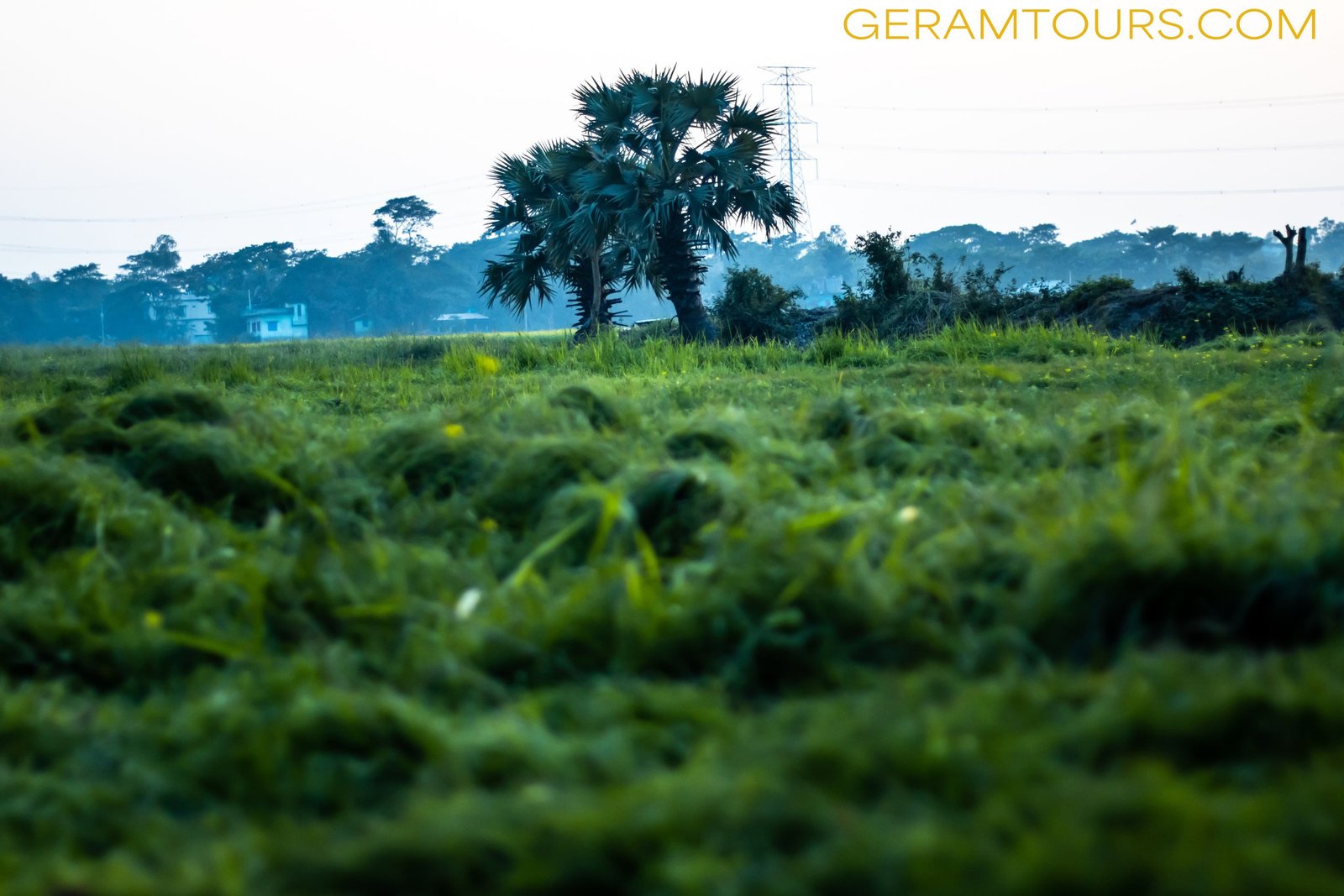
Bangladesh has more to offer than just the busy streets of Dhaka and the beaches of Cox’s Bazar. It moves to the timeless rhythms of the harvest, the tides of the river, and the gossip of the village. Rice paddies, riverbanks, and strong ties between people make up life in Bangladesh. More than 86,000 villages can be found here. Village tourism is not only a new way to travel, but it is also the best way to get to know the heart of the country. It asks you to trade sightseeing for insight, hotel concierges for conversations under banyan trees, and to learn that the country’s greatest treasures are not in museums but in the homes and hearts of its people.
### **The Heartbeat of Village Tourism: It’s Not Just a Visit, It’s an Exchange
The idea behind village tourism in Bangladesh is simple but strong: “real cultural exchange and community benefit.” It is not just observational like regular tourism; it is participatory. It was made to be:
* **Community-Led:** Village cooperatives or local NGOs run it, making sure that money stays in the community and is used to pay for schools, health care, and conservation. * **Sustainable:** Low-impact, respecting local ecosystems and traditional ways of life. * **Immersive:** Giving a real look into daily life, from farming to making crafts.
For travelers, it’s a chance to see the famous Bangladeshi hospitality at its best.
### **Destinations: A Tapestry of Rural Experiences**
From the northern floodplains to the southern delta, each area has its own story about a village.
1. The Northern Char Lands (in the Rangpur and Kurigram areas): *Experience:* Living on the *chars*, which are islands that the Brahmaputra river moves around. See amazing strength and ability to change.
* Activities include riding in a bullock cart, learning about sandbar farming (also called “char farming”), listening to stories from village elders at night, and finding out how the community deals with floods.
* **Vibe:** It was eye-opening and humbling to see how strong people can be.
**2. The Wetlands and Khaal of Sylhet and Sunamganj:** * **Experience:** A world made up of water. Find your way through a maze of tea gardens, canals, haors (huge wetland basins), and the edges of tea gardens.
* **Things to do:** Walk through rice fields, learn how to paddle a traditional wooden **nouka** (boat), fish with local nets, and drink **shatkora** (citrus) tea with a farming family.
* **Vibe:** calm, poetic, and very much in touch with a landscape that is always changing.
**3. The Indigenous Villages of the Chittagong Hill Tracts (Bandarban, Rangamati): ** * **Note:** You need a government permit to go here, so make sure to book your trip with a tour company you can trust.
* **Experience:** The beautiful hills and jhum (shifting cultivation) fields of the Marma, Tripura, and Chakma communities, which have rich, unique cultures.
* **Things to do:** Visit Buddhist temples on top of hills, watch traditional weaving on backstrap looms, taste food cooked in bamboo tubes, and learn about community forestry.
* **Vibe:** Full of culture, beautiful to look at, and very different from the plains of Bengal.
**4. The Riverine Villages of Barisal & Patuakhali:** * **Experience:** Life in the “Venice of the East,” where the river controls the day and boats are taxis.
* Things to do: taking early morning boat trips to floating markets, helping to gather water hyacinth for crafts, going to a village kobigan (folk song) performance, and exploring the strange Sundarbans fringe communities. Vibe: A calm, water-centered life of community and constant motion.
5. The Pottery & Weaving Villages (Around Bogura & Rajshahi): * *Experience:* These are small businesses that have been around for hundreds of years and are the main source of income for communities.
* **Things to do:** Visit the historic **Varendra Research Museum**, learn how to make a Nakshi Kantha (embroidered quilt) from artisans, and try your hand at a potter’s wheel in **Natore**.
* **Vibe:** Creative, hands-on, and focused on doing good work.
### **A Day in the Life of the Village Tourism Experience
The weather and the sun change your daily routine, not a tour schedule.
* **Dawn:** The sound of birds singing and the call to prayer wake you up. You can go with the host to the local market or to check the fishing nets. In the morning, do some light seasonal tasks, such as moving rice seedlings, milking a cow, or helping to weave a fishing net. In the afternoon, have a big, home-cooked lunch of rice, dal, fish from the area, and vegetables that are in season. After that, take a break in a courtyard with some shade.
* **Late Afternoon:** Take a trip with a local guide. You could go to the blacksmith in the village, the primary school, or a forest nearby. Learn about plants that can help you.
* The hour of magic is in the evening. Share sweet tea and **pitha** (rice cakes) as the day gets cooler. You can hear folk tales, learn a song from the area, or just watch the fireflies come out over the fields.
* **Night:** Sleep well in a clean, simple room in a family home or community guesthouse, lulled to sleep by the sounds of the countryside.
### **The Useful Guide: How to Do It Right**
**Making Plans and Reservations:** * Talk to a Professional: This is very important. Well-known groups like **Bangladesh Ecotourism and Travel (BET)**, **Guide Tours Bangladesh**, and NGOs like **BRAC** or **ActionAid** make it easier to stay in a responsible village. They make sure that everyone gets paid fairly and that they know about other cultures.
* Don’t “Parachute In”: Don’t just show up in a village without telling them first. You need to plan your visit ahead of time to show respect for the community and make sure your host is ready for you.
**Cost and What’s Included:** You should expect to pay **$25 to $50 per person per day**, which usually includes all meals, basic lodging, activities, and a local guide. The community project will get this money right away.
The Traveler’s Code: Basic Rules of Etiquette
1. **Dress with Respect:** It’s very important to be modest. Wear clothes that are loose and cover your knees and shoulders. For women, a local **salwar kameez** is great and popular.
2. **Ask Before Taking Pictures:** Always, always ask people if you can take their picture, especially women and children. Respect a “no.”
3. **Be a Learner, Not a Critic:** Understand that everyone has different levels of cleanliness, speed, and comfort. You are a visitor in someone’s life.
4. **Save Resources:** Be aware that villages may not have a lot of water or electricity. Don’t waste things.
5. **Give Thoughtful Gifts:** Instead of just candy for kids, think about giving the community useful things like school supplies, sports equipment, or good seeds for farmers.
### **The Effect: Why Your Choice Matters
Going to a village is a great example of “conscientious travel.”
* ** For the Community: It gives communities a steady, different source of income, which lets them protect their culture and environment in their own way. It honors old ways of knowing. It encourages travel that doesn’t hurt the environment too much and often pays for local conservation efforts, like keeping water sources clean and protecting village forests. It teaches you how to be humble, strong, and happy like no other school. It helps people get to know each other and break down stereotypes that last a lifetime.
### **Conclusion: The Trip That Changes You**
Bangladesh’s village tourism isn’t a vacation; it’s a trip to the heart of what makes this country so unique. It gets rid of the generalizations in guidebooks and news headlines and shows the country’s warmth, dignity, and rich culture. You will bring back more than just pictures. You’ll also get to taste homemade date palm jaggery, hear a farmer’s song in the fields, and remember a smile that didn’t need to be translated.
These villages keep a valuable rhythm in a world that is changing quickly. You don’t just see it when you visit with respect and an open heart; you also help keep it alive for future generations. Don’t expect anything when you go to Bangladesh; just be curious.
**Things to Bring on Your Trip to the Village: – [ ] Cotton clothes that are light and easy to wear Sandals or shoes that are strong enough to walk in fields A water bottle that can be used more than once with tablets that clean the water A headlamp or flashlight A small, thoughtful gift for the people in the area A notebook to write down the stories you hear A mind that is open and has endless patience

