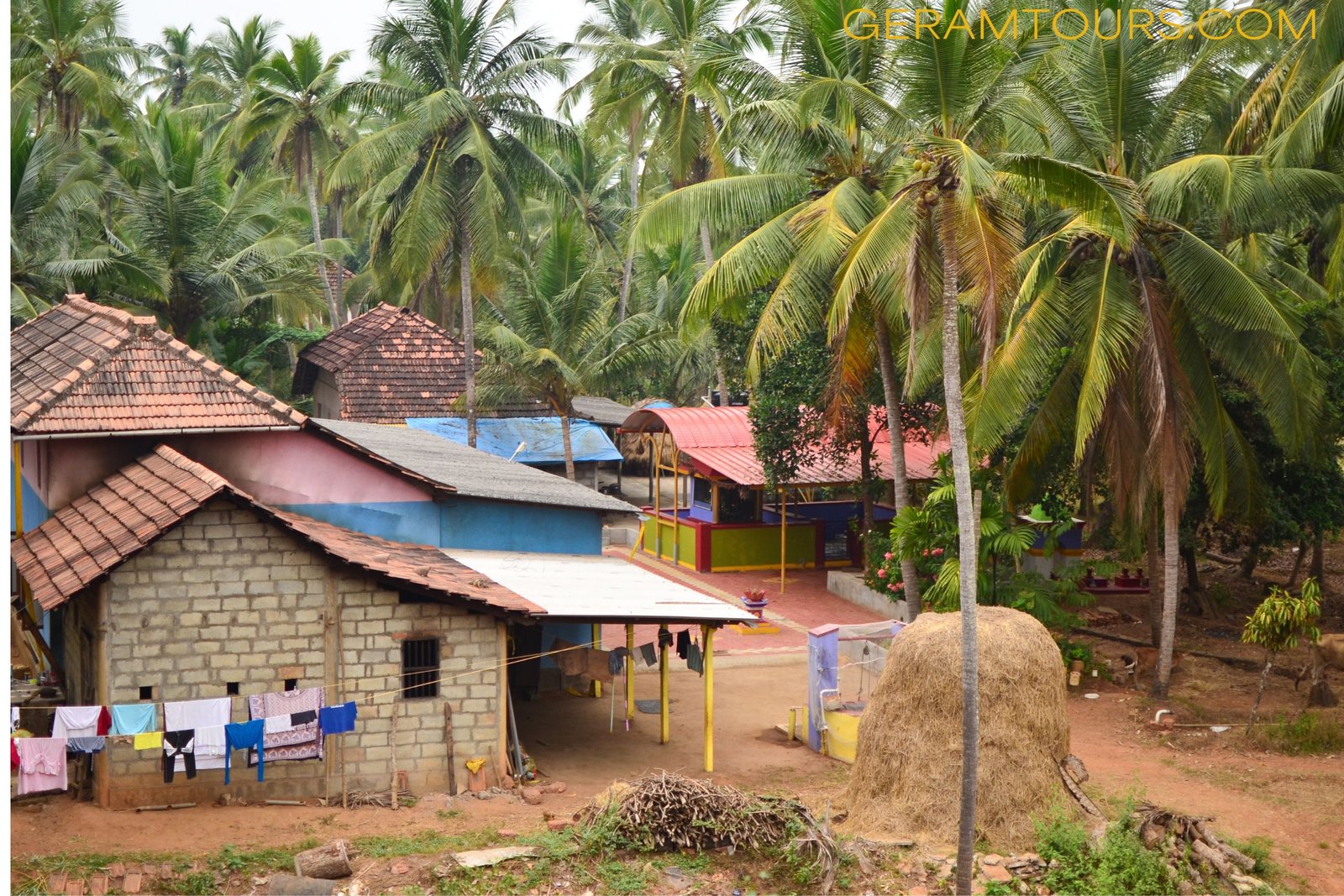
Bangladesh Village Tourism: A Look at Life and Culture in the Countryside
People often think of Bangladesh as a place with busy cities like Dhaka, Chittagong, and Sylhet. People know it for its long history, beautiful scenery, and rich culture. But the rural villages are a quieter and more real part of the country than the cities. Village tourism gives travelers a unique look at Bangladesh’s natural beauty, culture, and daily life. This kind of tourism lets people get away from the noise and stress of living in a city. It also helps the economies and cultures of rural areas grow.
Why People Enjoy Visiting Villages
People who go on rural or village tourism trips want to see the countryside. Life in Bangladesh is very different from life in the city. You can see how pretty and simple it is. People enjoy village tourism because it’s authentic, they can interact with locals, and they can experience nature in its purest form.
People who come to a village can stay in traditional homes, work on farms, learn about the food, and make things. Bangladesh’s villages are very old-fashioned. There are a lot of animals and plants, as well as pretty green fields and rivers. They are a peaceful place to rest and recharge your batteries.
The Most Popular Tourist Spots in Bangladesh
Bangladesh has a lot of different kinds of land, so there are a lot of different kinds of villages. If you want to see a village in Bangladesh, these are some of the best places to go:
1. **Sreemangal**
Sreemangal is in Bangladesh’s Sylhet division and is known as the “Tea Capital of Bangladesh.” There are a lot of tea gardens in this rural area. Visitors can enjoy the peaceful beauty of the rolling hills covered in tea plants that are full of life. People who come to the tea estates can drink a cup of freshly brewed tea and even help pick the tea. Lawachara National Park is also in Sreemangal. This beautiful forest reserve is a great place to hike, watch birds, and take pictures of animals.
2. **Rangamati**
The Chittagong Hill Tracts also have a pretty rural area called Rangamati. The area is known for its beautiful lakes, especially Kaptai Lake, which is surrounded by trees and hills. The Chakma, Marma, and Tripura tribes are some of the native people who live in the area. People who come can find out more about their own culture, customs, and way of life. Rangamati is a unique place where nature and culture meet. People can hike in the woods, ride boats on Kaptai Lake, and learn about how the tribes live.
3. **Pabna and Rajshahi**
Life is very different in the rural areas of Bangladesh’s northwestern Pabna and Rajshahi. These places are famous for their rich soil, which grows plants like mangoes, guavas, and more. The main things to do when you visit a village here are learn about farming, help out on the farm, and eat fresh, organic food. The views are even better because the Padma River flows through these areas. People like the food and the friendly people that are typical of Bengali culture.
4. The Mawlynnong Village
Mawlynnong is a small village in the northeastern part of Bangladesh, in the Chittagong Hill Tracts. People say that this village is the cleanest in all of Asia. People know this village for its fresh air and healthy way of life. People who live there are proud of how clean they keep things, and they ask guests to do the same. You can see how the Khasi tribe lived in the village, like their bamboo houses and the things they made. People love to visit Mawlynnong for eco-tourism because it is beautiful and cares about the environment.
### Events that honor culture in village tourism
One of the best things about visiting villages in Bangladesh is that you can learn about and participate in the local customs and cultures. Many villages in rural Bangladesh still do things the same way they have for hundreds of years, like how they celebrate holidays, follow traditions, and live their lives. People who come can do a lot of cultural things, like
* **Cooking in Bengali:** A lot of tourists stay in traditional homestays in Bangladesh’s villages, where they can learn how to cook the food that is popular there. Food is a big part of the culture. There are always rice and fish, curries with weird vegetables, and sweets like “roshogolla” and “sandesh.”
* **Crafts and Handicrafts:** People in Bangladesh have been making things by hand for a long time. Many people in the country are artisans who make things like baskets, pottery, and embroidery. People who come can watch the process, learn new things, and even buy one-of-a-kind souvenirs straight from the people who made them.
* **Holidays and Traditions:** Going to local festivals is a big part of village tourism. There are colorful parades, traditional music, and dance shows in the countryside during “Pohela Boishakh,” the Bengali New Year. Villagers invite people to come celebrate “Eid” and “Durga Puja” with them and learn about their culture and how to be friendly.
### Eco-Tourism and Growth That Lasts
Bangladesh’s village tourism is very important for eco-tourism and growth that lasts. Many rural areas depend on farming, so it’s important to protect the environment in ways that are good for it. Tourism in villages teaches people how important it is to take care of the forests, animals, and ecosystems in their area.
Farmers, craftspeople, and small business owners make money when people visit the country. For example, homestays let people see what life is really like in the country and help families earn money. Many villages in Bangladesh have started using organic farming and other eco-friendly methods to protect their land and resources. This is a good option for people who want to do their part to help the planet.
Problems with Bangladesh’s village tourism
Bangladesh’s village tourism has a lot of problems, but it also has a lot of promise. In a lot of rural areas, roads, public transportation, and basic services are still not very good. This might make it hard to get to some of the villages that are farther away. People who live there and people who visit don’t know how important it is to practice sustainable tourism, which can hurt the environment.
Also, a lot of people might not be able to go to the country all the time. There should be programs that teach people in the area how to treat tourists well while also protecting their natural and cultural heritage.
### Conclusion
Bangladesh’s village tourism is a great way for visitors to learn about the country’s rich rural history, meet locals, and enjoy the area’s natural beauty. Village tourism will probably become a big part of the country’s tourism industry as more and more people look for real, one-of-a-kind experiences. Bangladesh can get the most out of its rural areas by making the roads better and encouraging eco-friendly tourism. This will be good for both the people who live there and the people who come to visit. Bangladesh’s village tourism helps protect the country’s cultural and natural treasures and helps rural areas grow in both social and economic ways. In this case, everyone wins.

